5 Ways to Start Your Home Addition in 2026
To start a home addition, first define your goals and budget, then hire an experienced general contractor to lead the design and permitting process. This ensures your project complies with local Northern Arizona codes while meeting your functional needs before construction begins on your property.
How do I prepare for a home addition?
The journey of expanding your living space begins long before the first shovel hits the dirt. Preparation is the foundation of any successful project. You first need to identify the "why" behind your addition. Are you looking for more space for a growing family, a dedicated home office, or perhaps a master suite that offers a bit more privacy? Understanding your primary motivation will guide every decision that follows.
Once you have a clear vision, it is time to talk numbers. Budgeting for a home addition in Northern Arizona requires looking at both the hard costs of construction and the soft costs like engineering and permits. It is also wise to consider the return on investment. If you are looking for long-term value, certain Renovations and Remodels tend to recoup more of their cost than others.
Before diving deep, check your local zoning laws. In areas like Prescott, there are specific setbacks and height restrictions that could impact how large your addition can be. Knowing these limitations early prevents heartbreak later when a design you love turns out to be unbuildable on your specific lot.
Why is hiring the right general contractor the first step?
Many homeowners think they should have full blueprints in hand before talking to a builder, but involving a contractor early can actually save you thousands. A seasoned professional from a team like SPE Systems, with over 50 years of experience, can provide a "reality check" on your design ideas and budget. We understand the unique terrain and climate of Northern Arizona, which heavily influences how additions are built here.
Your contractor acts as the conductor of the construction orchestra. They coordinate between architects, engineers, and specialized trades like Electrical Contracting or plumbing. By bringing them in at the start, you ensure that the design is actually feasible and cost-effective. A good contractor will also help you navigate the complex web of local subcontractors and material suppliers, ensuring your project stays on schedule despite the logistical challenges of our mountain environment.
Working with a full-service team also means you have a single point of contact. Instead of managing five different companies, you have one partner who is responsible for the integrity of the entire build. This is especially critical during the General Construction phase where timing and sequence are everything.
The Essential Pre-Construction Checklist
Before the physical work begins, several technical steps must be completed to ensure the addition is safe, legal, and durable. This phase is often the most frustrating for homeowners because it involves a lot of paperwork and waiting, but it is the most critical for the long-term health of your home.
- Site Survey and Soil Testing: We need to know exactly where your property lines are and if the soil can support the weight of the new structure.
- Structural Engineering: An engineer will create calculations for roof loads (important for our heavy snow seasons) and foundation requirements.
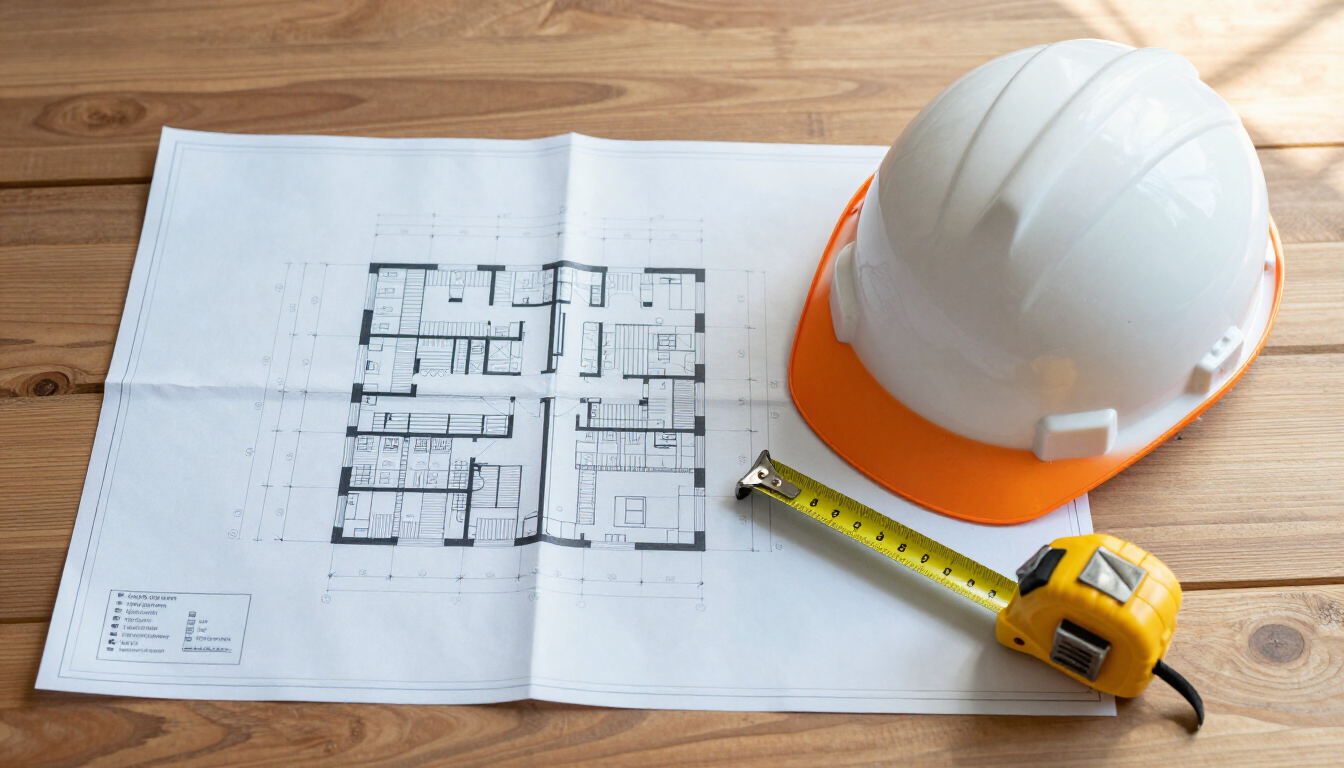
- Architectural Drawings: These detailed plans show exactly what the finished space will look like, inside and out.
- Permit Submission: We submit all plans to the local building department for approval against code standards.
- Utility Planning: We determine how to tie the new space into your existing HVAC, plumbing, and electrical systems.
Northern Arizona presents unique challenges during this phase. For example, if your property is on a slope, we might need extensive Excavation and specialized retaining walls. Engineering for snow loads in the high country is also non-negotiable; your new roof must be able to handle the weight of a heavy winter storm without compromising the existing structure.
What happens during the actual construction phase?
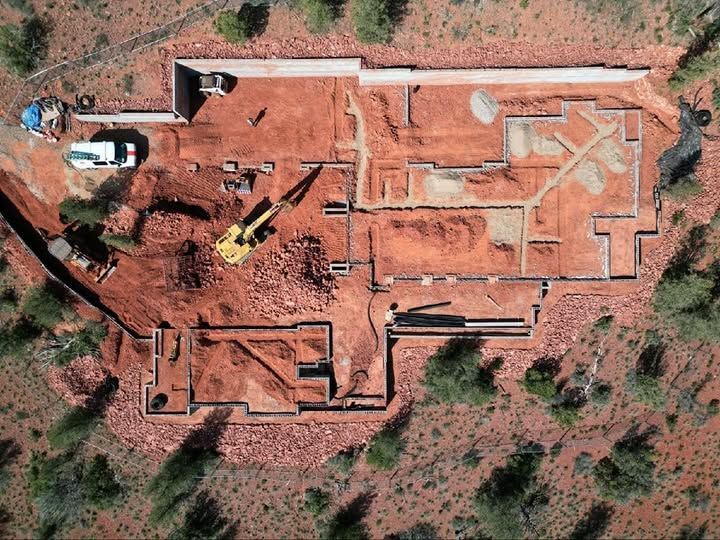
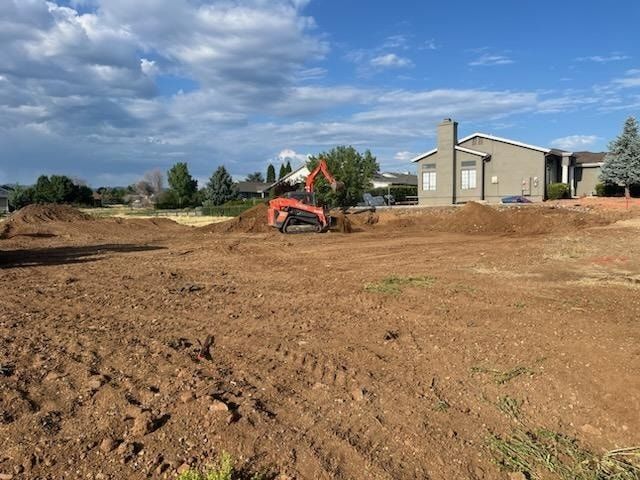
Once the permits are posted, the real excitement begins. The construction process is a series of layers, each building upon the last. It starts with site preparation, where we clear the area and begin the foundation work. In our region, this often involves digging footings deep enough to stay below the frost line, ensuring your home doesn't shift during the freeze-thaw cycles of spring.
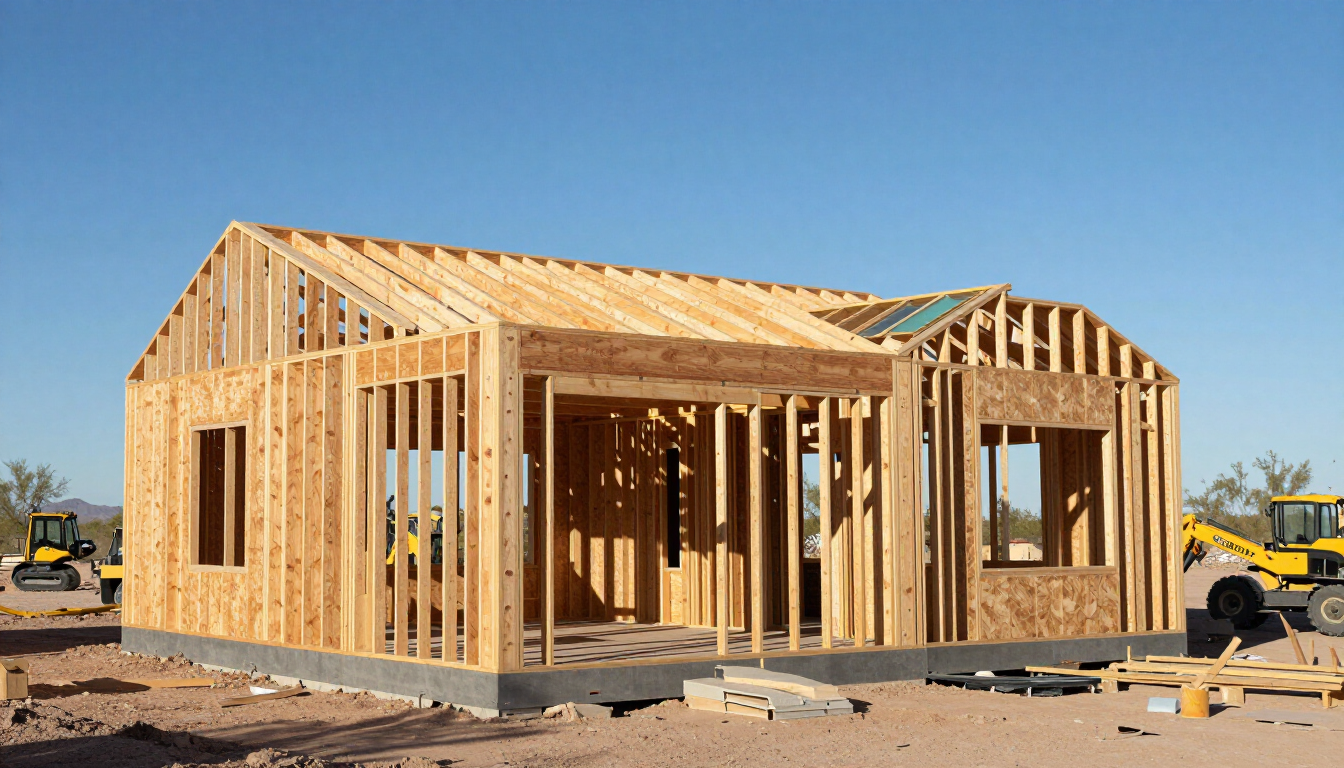
After the foundation is poured and cured, the framing goes up. This is the skeleton of your addition. It’s the first time you’ll truly be able to feel the scale and layout of the new rooms. Once the shell is framed, we move to "dried-in" status by installing the roof, windows, and exterior doors. This protects the interior from the elements while the internal work begins.
Next come the "roughs." This is when the plumbers, electricians, and HVAC technicians run their lines through the open studs. It’s a busy time on the job site, with multiple trades working in tandem. During this phase, you’ll see the infrastructure of your home take shape. It’s the best time to make sure light switch placements and outlet locations are exactly where you want them before the walls go up.
Quality Control and Finishing Touches
With the rough inspections passed, we transition into the finishing phase. This is where the addition starts looking like a home rather than a construction site. Insulation is installed first, followed by drywall. Once the drywall is hung, taped, and textured, the space transforms overnight. It feels brighter, quieter, and much more permanent.
From here, we move to the details that reflect your personal style:
- Flooring Installation: Laying down your choice of hardwood, tile, or carpet.
- Cabinetry and Trim: Installing the woodwork that gives the room its character.
- Painting: Applying the final colors that pull the whole design together.
- Fixture Installation: Adding the final lights, faucets, and hardware.
- Exterior Siding: Ensuring the addition blends seamlessly with your original home.
At SPE Systems, we take pride in our New Construction standards, even for small additions. We ensure that the transition between the old and new parts of the house is invisible, matching the rooflines, siding, and trim perfectly. This attention to detail is what separates a high-quality addition from one that looks like an afterthought.
How does the final walkthrough work?
The final walkthrough is the culmination of months of hard work. Before we hand over the keys, we perform a series of final inspections with the building department to ensure everything is strictly up to code. This includes safety checks on all electrical systems, smoke detectors, and structural components.
Once the official inspections are complete, we walk through the space with you. We will demonstrate how any new systems work, such as smart thermostats or lighting controls. This is also the time for the "punch list"—a final check for any minor paint touch-ups or adjustments that need to be made. We don't consider the job done until every detail meets our 50-year standard of excellence and your complete satisfaction.
Final Takeaways for Your Project
Starting a home addition can feel overwhelming, but breaking it down into these manageable phases makes the process much clearer. By focusing on solid planning and hiring the right local expertise early, you can avoid the common pitfalls that derail many DIY or poorly managed projects. Remember that an addition is more than just extra square footage; it is an investment in your lifestyle and your property's value.
- Phase 1: Define goals, set a realistic budget, and choose a contractor.
- Phase 2: Complete architectural designs and structural engineering.
- Phase 3: Navigate the local permitting process for compliance.
- Phase 4: Execute the build from foundation to finishing touches.
- Phase 5: Final inspections and the celebratory walkthrough.
If you are ready to start planning your Northern Arizona home addition, we are here to help. Reach out to the team at SPE Systems on our Contact page to schedule a consultation. Let’s build something incredible together.