Is It Cheaper to Build a House or Buy One? What Arizona Homeowners Should Know
One of the biggest questions people ask when planning their future home is whether it's better to build a house from the ground up or purchase an existing home. While there isn't a one-size-fits-all answer, understanding the costs involved can help you make a more informed decision. For many homeowners, the choice comes down to balancing budget, customization, location, and long-term satisfaction.
The Cost of Buying an Existing Home
Buying an existing home is often viewed as the faster and more straightforward option. In today's market, home prices vary significantly depending on location, size, age, and condition. In many Arizona communities, buyers can expect to pay anywhere from $350,000 to $700,000 or more for a move-in-ready home.
While the purchase price is usually the largest expense, buyers should also factor in additional costs such as:
- Closing costs
- Home inspections
- Appraisal fees
- Repairs or renovations
- HOA fees (if applicable)
- Moving expenses
One advantage of buying is certainty. You know exactly what you're getting, can walk through the property before purchasing, and can often move in within a matter of weeks.
However, existing homes may require compromises. You may have to settle for a layout that doesn't quite fit your needs, outdated finishes, limited storage, or a location that isn't your first choice.
The Cost of Building a New Home
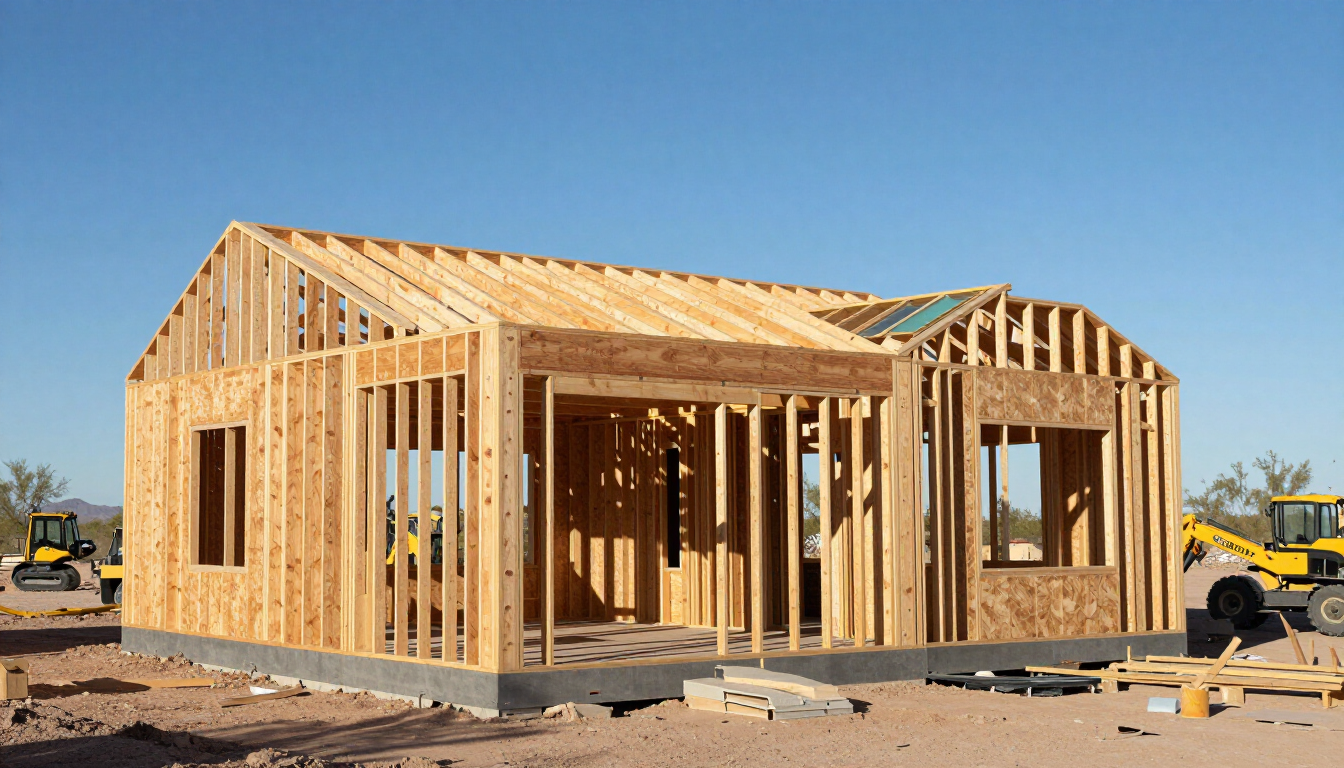
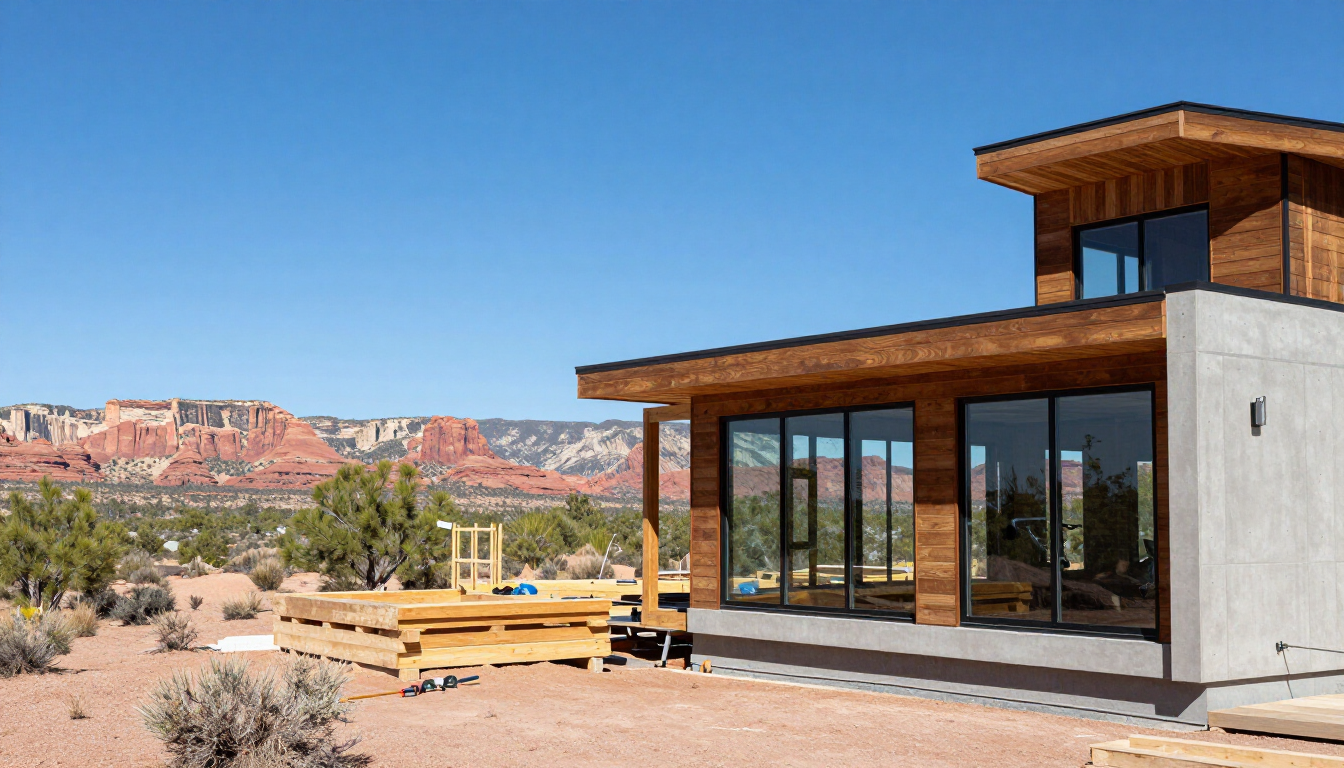
Building a custom home gives you the opportunity to create a space tailored specifically to your lifestyle. From the floor plan and finishes to the lot orientation and energy efficiency features, nearly every aspect can be customized.
The cost of building varies greatly based on size, materials, location, and site conditions. In Arizona, many custom homes currently range between $200 and $400+ per square foot to construct. A 2,500-square-foot home could easily cost between $500,000 and $1 million or more depending on the level of finishes and complexity.
Many people focus only on the construction cost itself, but there are several other expenses involved in building that should be considered early in the planning process.
Site Development and Excavation Costs
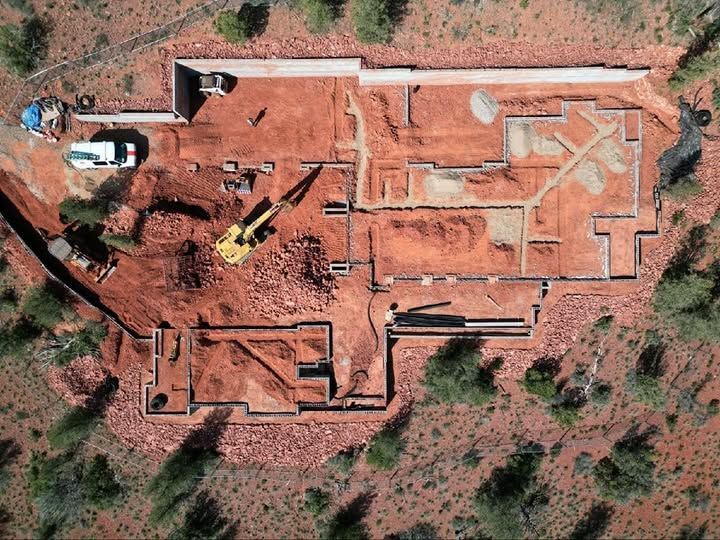
One of the most commonly overlooked expenses when building a home is preparing the land. Before construction can begin, the property often needs substantial site work.
These costs can include:
- Excavation and grading
- Utility trenching
- Septic system installation
- Water line installation
- Electrical service
- Driveway construction
- Drainage improvements
- Soil testing
Depending on the property, excavation and site preparation alone can range from several thousand dollars to tens of thousands of dollars. A flat lot with existing utilities will typically be much less expensive to develop than a rocky hillside property requiring extensive excavation and grading.
This is where experienced excavation contractors become a critical part of the building process. Proper site preparation helps prevent drainage issues, foundation problems, and unexpected construction delays later on.
Comparing the Long-Term Value
While building a home often comes with a higher upfront cost, there can be long-term advantages.
New homes generally offer:
- Better energy efficiency
- Lower maintenance costs
- New warranties on materials and systems
- Modern building standards
- Layouts designed for today's lifestyles
On the other hand, existing homes may offer mature landscaping, established neighborhoods, and lower initial costs depending on market conditions.
It's important to compare more than just the purchase price. A home that costs less upfront may require significant renovations, repairs, or utility upgrades over the coming years.
The Value of Customization
One factor that's difficult to measure purely in dollars is personalization.
When you buy an existing home, you may spend years making changes to better fit your needs. Whether it's remodeling a kitchen, expanding a garage, or updating bathrooms, those costs can add up quickly.
Building allows you to start with exactly what you want. You can design spaces around your family, hobbies, work-from-home needs, and future plans. Everything from the lot location to the final finishes can reflect your vision.
And while budgets are important, many homeowners discover that you simply can't put a price on having the perfect house for you.
A home isn't just a financial investment—it's where you'll spend holidays, raise a family, entertain friends, and create memories for years to come. The ability to design a home that perfectly matches your lifestyle often becomes one of the biggest benefits of building.
Which Option Is Right for You?
The answer depends on your goals, timeline, budget, and priorities.
Buying may be the better choice if you need a home quickly or want predictable costs. Building may be the better option if customization, location, and long-term satisfaction are your top priorities.
If you're considering building a home in Arizona, it's important to understand all the costs involved—including excavation, site preparation, utility installation, and grading. Working with experienced professionals early in the process can help you create accurate budgets and avoid costly surprises.
At SPE Systems, we help homeowners, builders, and developers prepare sites for successful construction projects. From excavation and grading to utility trenching and site development, our team provides the groundwork that helps turn your dream home into a reality.