How Do You Get Utilities to Vacant Land in Arizona?
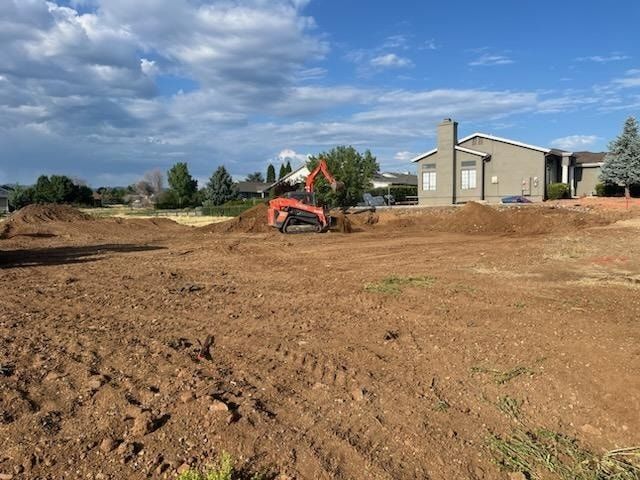
Buying vacant land in Arizona can be exciting, especially if you plan to build a custom home. But before construction begins, one of the biggest questions is often: How do you actually get utilities to the property?
The answer depends on where the land is located, what services are already nearby, and how far those utilities need to be extended. In some cases, getting power, water, and other services to a property is relatively straightforward. In others, it can become a major part of the construction budget.
That is why utility planning should happen as early as possible.
Start by Finding Out What Is Already Available
The first step is determining which utilities are already accessible to the property.
Depending on the location, you may have access to:
- Electrical service
- Municipal water
- Sewer
- Natural gas
- Internet or telecommunications
- Cable service
A developed lot may already have utility connections near the property line. Vacant rural land, however, may require utilities to be extended a significant distance.
Before assuming anything, it is important to identify where the nearest connection points are and what it will take to bring those services to the future home.
Getting Electricity to Vacant Land
Electricity is often one of the first utilities homeowners think about.
If electrical service already runs along a nearby road, the utility provider may be able to extend service onto the property. The exact process depends on the property, distance, terrain, and where the future home will be located.
Once the service location is determined, excavation may be needed to install underground conduit and electrical lines from the utility connection to the house.
On larger rural lots, the distance between the road and the building site can make a significant difference in the amount of trenching and electrical work required.
This is another reason it is helpful to decide where the home, driveway, and other improvements will be located before utility work begins.
How Do You Get Water to Vacant Land?
Water options vary considerably throughout Arizona.
Some properties may be able to connect to a municipal or private water system. Others may require a private well or another approved water solution.
If water service is available nearby, underground water lines may need to be installed from the connection point to the house.
If a well is required, the project can involve drilling, pumps, storage equipment, electrical connections, and underground plumbing.
Before purchasing undeveloped land, it is a good idea to understand where your water will come from and what will be involved in getting it to the home.
What About Sewer or Septic?
Vacant land located within a developed area may have access to a public sewer system. More rural properties commonly rely on septic systems.
A septic system requires more than simply installing a tank. The property needs an appropriate location for the system, and the soil and site conditions may affect how it is designed.
Because the septic location can influence the placement of the house, driveway, well, and other improvements, septic planning should be coordinated with the overall site plan.
Trying to figure this out after the house location has already been finalized can create unnecessary complications.
Excavation Is a Major Part of Utility Installation
Even when utilities are available, they usually still need a path to the house.
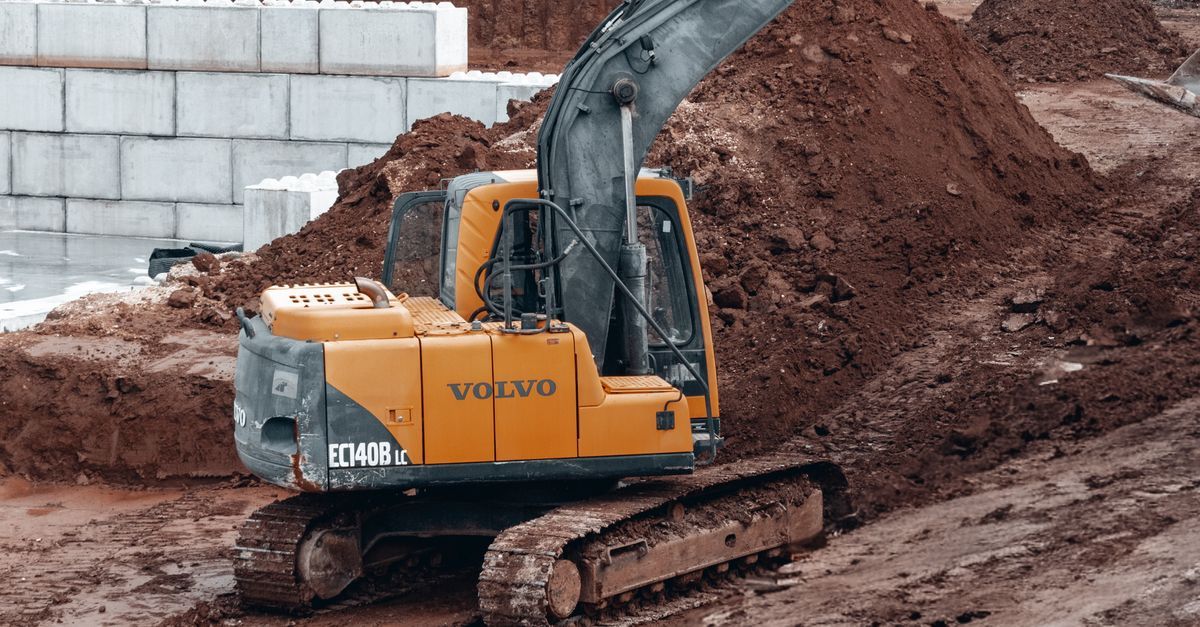
That is where excavation and trenching come in.
Underground utility work may involve trenches for:
- Water lines
- Electrical conduit
- Sewer lines
- Gas lines
- Internet and communications
- Drainage systems
The depth, route, and separation of these utilities need to be planned before excavation starts.
Installing several utilities during the same stage of site development can often make the process more organized than completing each one separately later.
Distance Can Have a Big Impact on Cost
One of the biggest factors in bringing utilities to vacant land is distance.
A home located close to an existing road and utility connection may be relatively simple to serve. A home located hundreds of feet back on a large property can require considerably more trenching, materials, equipment, and labor.
Terrain matters as well.
Rocky soil, steep slopes, difficult access, and drainage concerns can all make utility installation more involved.
This is why the lowest-priced piece of land is not always the least expensive property to build on.
Talk to a Contractor Before You Finalize Your Plans
If you are considering buying vacant land, having an experienced contractor look at the property before you purchase it can help identify potential utility challenges early.
If you already own the land, utility planning should happen alongside the overall site evaluation.
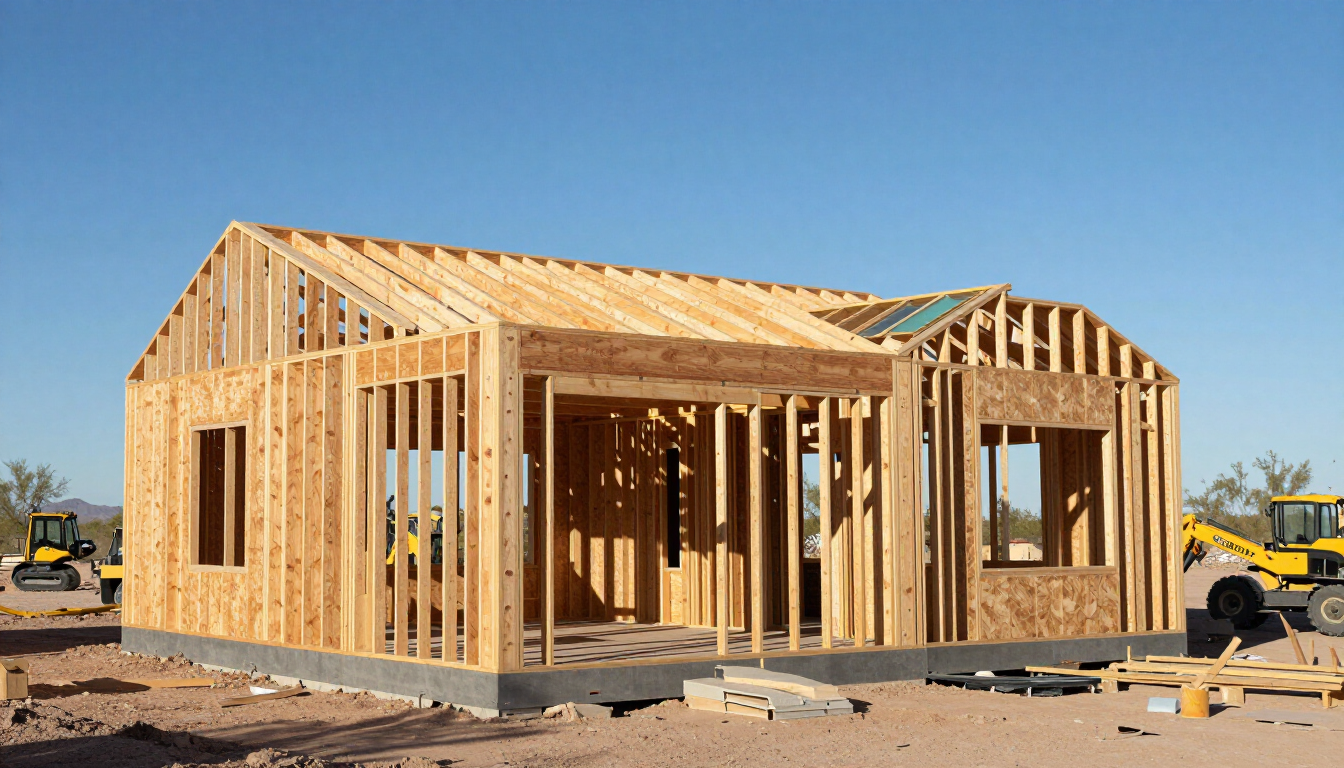
A contractor can help determine where the house should sit, where utilities can enter the property, what excavation may be needed, and how the different systems can work together.
At SPE Systems, we handle multiple phases of the construction process, including excavation, electrical, plumbing, HVAC, utility installation, and general construction.
If you are planning to build on vacant land in Northern Arizona, starting with a clear utility and site-development plan can help make the rest of the project far more straightforward.