Grading and Drainage on a New Build: Who Does What After Excavation
The most common drainage problems on a new home don't come from a bad design. They come from a handoff that never quite happens: the site crew finishes rough grading, the builder moves on to framing, and by the time anyone thinks about landscaping, the lot has settled, trenches have sunk and water is finding its own way across the property. Here's who does what after excavation, and where it tends to go wrong on Northern Arizona lots.
Rough grade is not finish grade
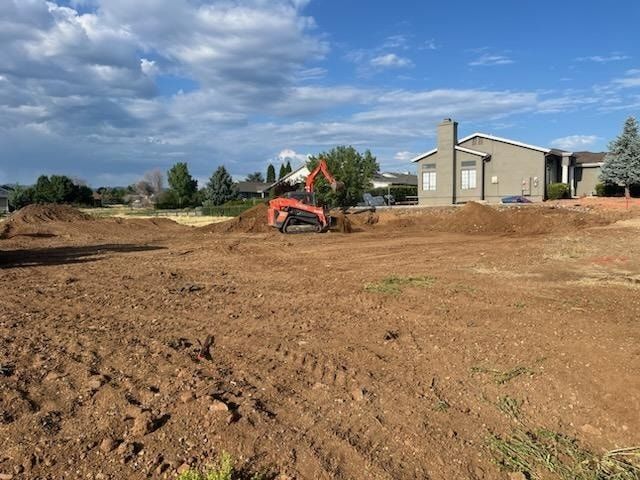
Rough grade is what the excavation crew sets: the building pad, the driveway approach, drainage paths and the general shape of the lot. Finish grade is the final surface after backfill has been compacted and has settled, utilities are in, and the house is far enough along that no more heavy equipment will drive across the yard. Landscaping should start from finish grade, not rough grade.
The rule that matters most: water goes away from the house
The International Residential Code, which most Arizona jurisdictions adopt with local amendments, calls for the ground next to the foundation to slope away from the structure, with a minimum drop of 6 inches within the first 10 feet where space allows. Where lot lines or slopes make that impossible, swales or drains carry the water off. Your county or town building department has the final say on what applies to your parcel, so check with Yavapai County or your local town before you finalize plans.
Why monsoon season is the real test
Northern Arizona doesn't get much rain in most months, but summer monsoon storms can drop a lot of water in a short time. Decomposed granite soils, common around Prescott, erode quickly once water starts to move. A few things to look for:
- Concentrated flow. Water leaving a roof or driveway in one spot carves channels. Spreading it out or directing it to a swale prevents that.
- Driveway culverts. Make sure they're sized for storm flows, not average days.
- The neighbor's side. Redirecting runoff onto an adjoining lot can cause disputes and, in many places, code problems.
- Backfill settling. Trenches and areas around the foundation sink over the first months. Walk the lot after the first big rain and mark low spots.
Who does what
The excavation and site crew typically handles:
- Building pad and rough grade
- Drainage swales and culverts
- Utility trenches, backfilled and compacted
- Driveway base and approach
The landscape crew typically handles:
- Finish grade and soil preparation
- Irrigation lines and controllers
- Hardscape bases for patios, walkways and retaining walls
- Planting, rock and erosion control
Problems show up when it's unclear who owns the gaps in between, like re-grading a settled trench or adjusting a swale to fit a patio. Put those items in writing before construction starts.
Bring the landscaper in during design
Drainage and planting are easier to solve together. A swale can double as a planting bed, and a patio location can be chosen to sit above the water path instead of in it. Planning xeriscaping a new build alongside the drainage plan avoids a lot of rework.
Before anyone digs
- Call 811. Arizona 811 arranges for underground utilities to be marked before you dig. Follow the notice period set by the state.
- Protect the septic system. Mark the tank and leach field so vehicles and heavy equipment stay off them, and keep deep-rooted plants away.
- Protect the well. Grade so surface water flows away from the wellhead.
A simple sequence to follow
- Site evaluation and drainage plan
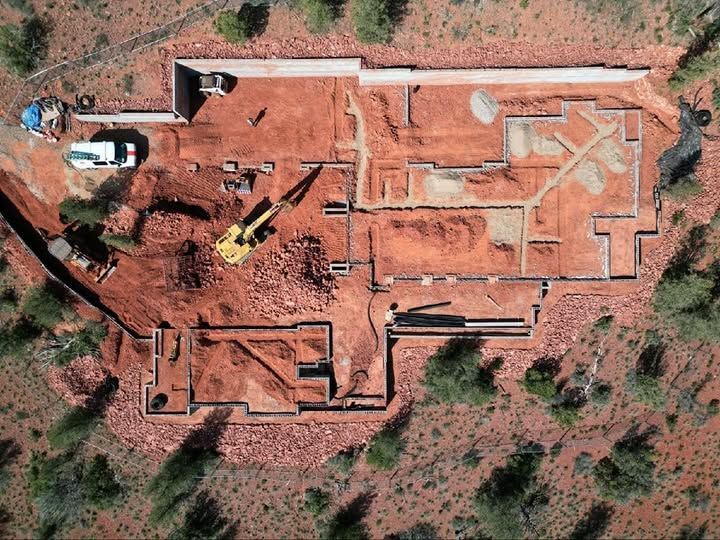
- Rough grade and utilities
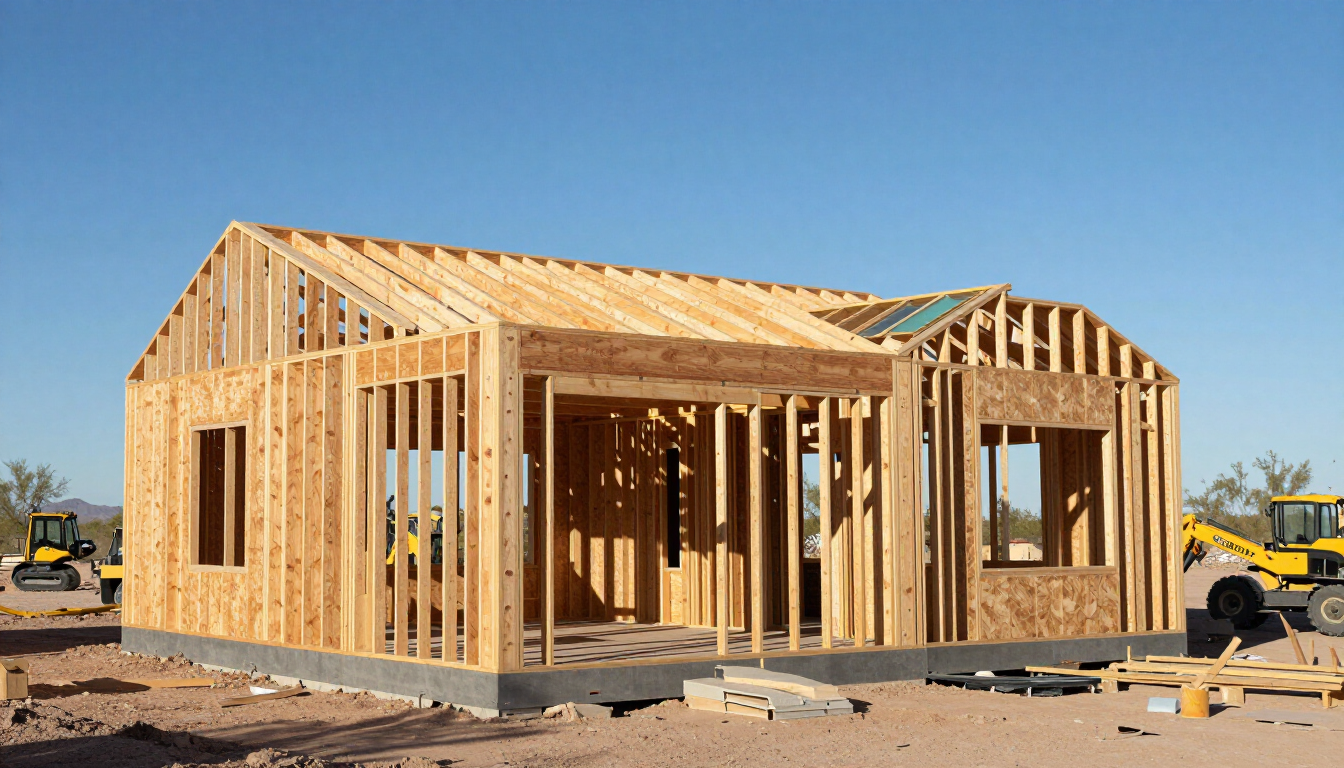
- Foundation and framing
- Final grading once heavy equipment is done
- Irrigation and hardscape bases
- Plants, rock and final erosion control
- Post-storm walk-through and touch-ups
If you own land in Northern Arizona and are trying to figure out what needs to happen before you build, SPE Systems can walk your site with you.